Erik Friedrich · 7 October 2026
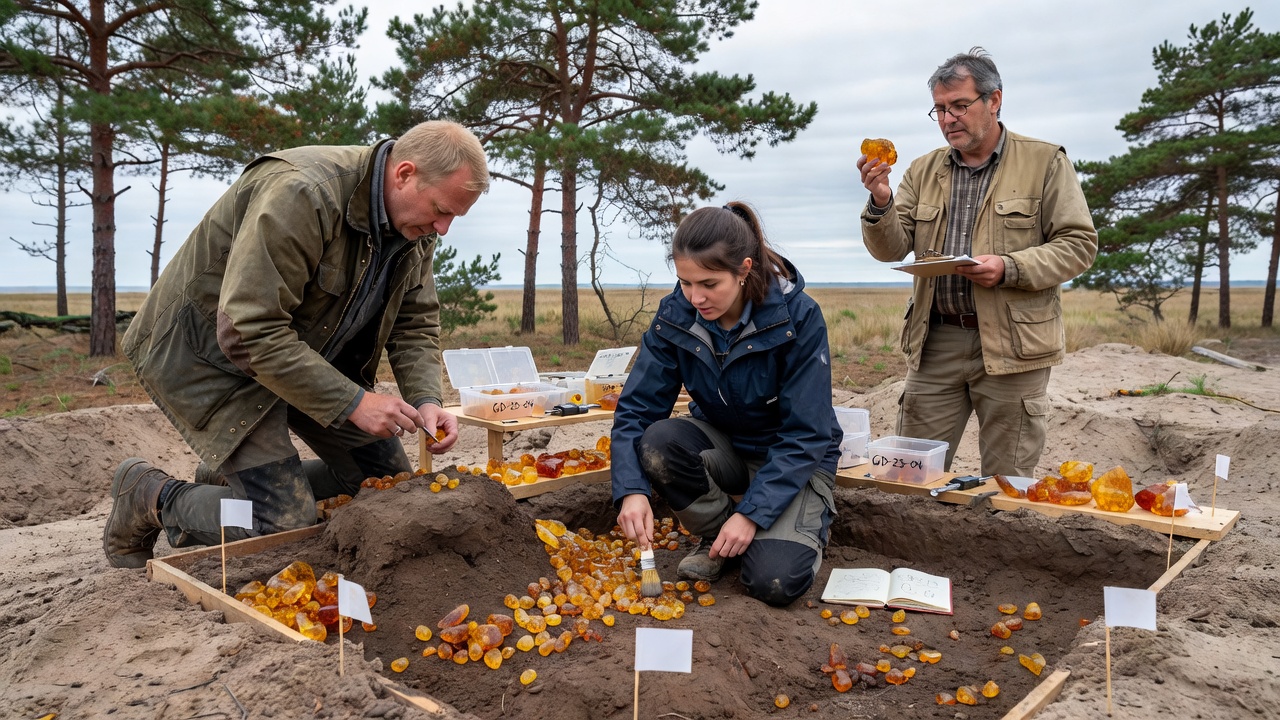
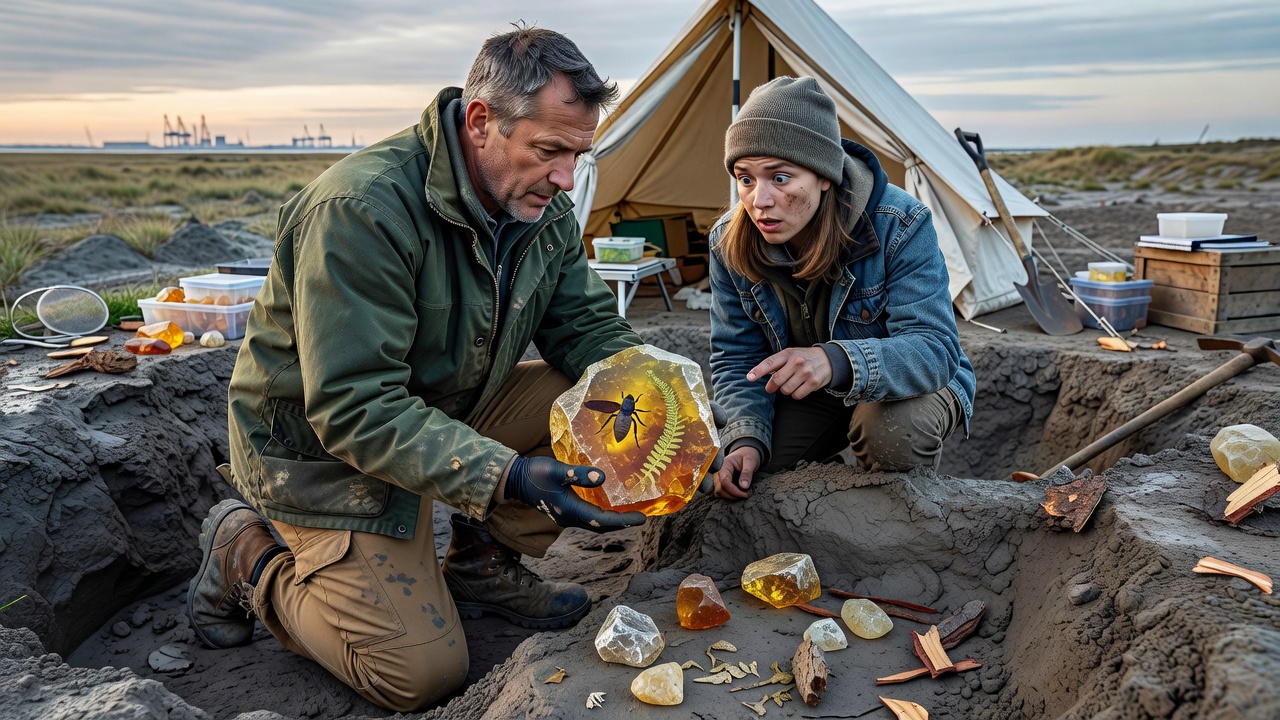
Researchers from several European institutions have announced the discovery of a new Baltic amber fossil site located just outside Gdansk, Poland. The find includes hundreds of specimens that could rewrite parts of the evolutionary history of insects and plants from the Eocene era. Initial surveys indicate high concentrations of amber in sedimentary layers that were previously thought to be depleted.
Scientific Analysis of the Site
The excavation team employed non-invasive methods such as ground-penetrating radar to map the deposit before digging. This approach minimized environmental impact while maximizing recovery rates. Fossils recovered so far include perfectly preserved beetles with intact antennae and wings, as well as pieces of resin with trapped pollen grains. These allow scientists to piece together the ancient forest ecosystem that once thrived in the region. Laboratory tests have shown that the amber has unique chemical signatures distinguishing it from other Baltic deposits. This suggests variations in the source trees or environmental conditions at the time of formation. Ongoing studies involve DNA extraction attempts from the inclusions, although success rates remain low due to the age of the material. The site spans several hectares and may require years of work to fully explore. The implications for climate modeling are significant as the data from trapped air bubbles and organic matter provide direct evidence of past atmospheric conditions.
Funding from national science grants has been secured to support the multi-year project. International experts in paleobiology are being invited to contribute their expertise.
Educational Opportunities at Amber Path
Amber Path Education is poised to integrate this new knowledge into its academic offerings. The curriculum will feature modules dedicated to the Gdansk discovery, including case studies and specimen analysis sessions. This hands-on approach will prepare students for careers in research and conservation. Partnerships with the discovery team will facilitate student involvement in fieldwork and data interpretation. The institution also plans public lectures and exhibitions to share findings with the community, promoting scientific literacy. Such initiatives underscore the role of amber in understanding Earth's history and inspire the next generation of educators and scientists. The discovery reinforces the importance of preserving natural heritage sites for future study and education. Furthermore the find opens avenues for interdisciplinary studies combining geology biology and advanced educational methodologies to enhance learning outcomes across related fields.