Alex Coleman · 7 October 2026
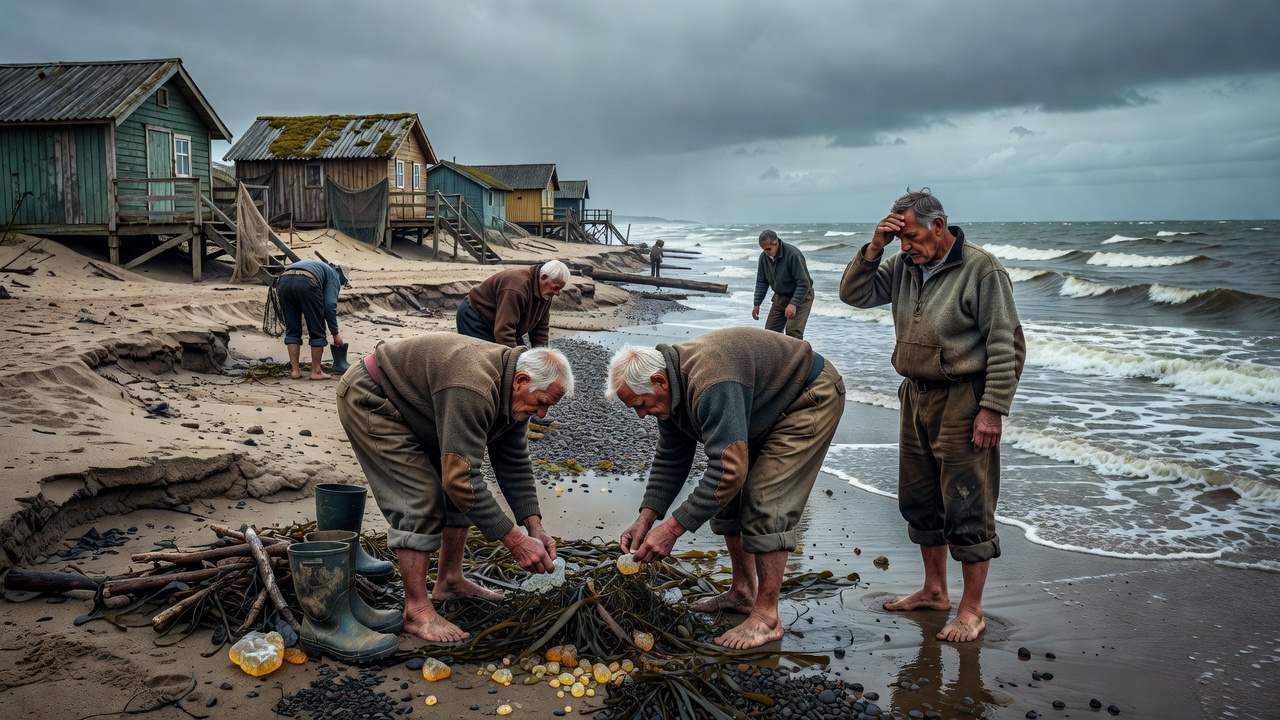
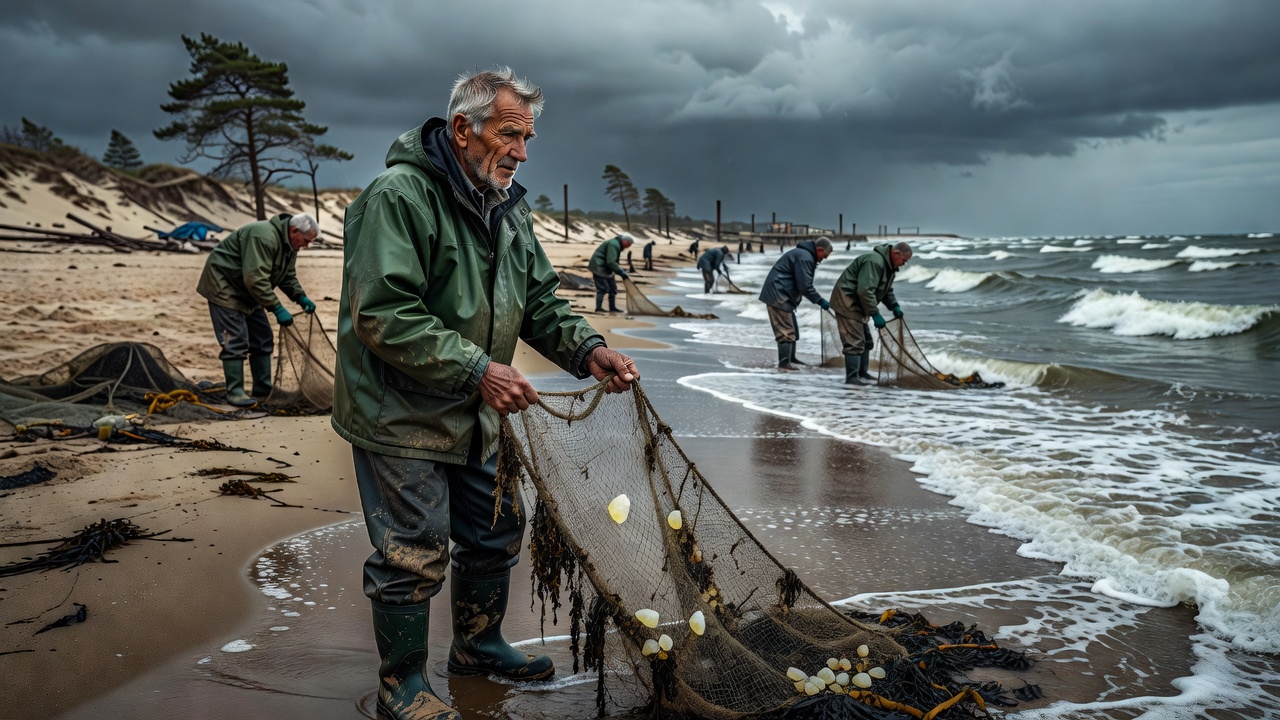
Shifting climate patterns are altering the conditions under which amber has been collected for centuries along the Baltic coast. Warmer winters and changing storm frequencies reduce the natural washing of resin deposits onto beaches, affecting both commercial and small-scale gatherers who rely on seasonal winds and currents.
Altered Environmental Conditions
Researchers note that rising sea temperatures accelerate the breakdown of organic material before it fossilizes into amber. Increased coastal erosion from higher water levels also buries potential harvest sites under new sediment layers. Traditional methods that depend on predictable autumn gales now face greater uncertainty, with fewer viable collection days recorded in recent decades. Local communities that have passed harvesting knowledge through generations report declining yields, prompting some to seek alternative livelihoods.
Scientific monitoring stations along the southern Baltic track salinity changes and sediment movement that influence where amber concentrates. Data from these stations show a measurable shift in deposition zones, requiring gatherers to travel farther or invest in new equipment. These environmental pressures compound existing challenges such as overharvesting in accessible areas and competition from industrial extraction techniques.
Adaptation in Educational Programs
Educational institutions focused on natural resource studies are revising curricula to address these developments. Courses now emphasize climate modeling, sustainable collection practices, and the study of resin-producing forests under future temperature scenarios. Fieldwork components have expanded to include long-term observation of beach profiles and collaboration with meteorologists to forecast collection opportunities.
Students learn to integrate historical records with modern satellite imagery to identify emerging harvest sites. Training also covers regulatory frameworks that aim to balance economic needs with environmental protection. By incorporating real-time climate data into lessons, programs prepare future specialists to manage amber resources under evolving conditions while preserving cultural practices tied to the material.
Continued monitoring and interdisciplinary research remain essential for understanding how ongoing atmospheric changes will shape both the supply of Baltic amber and the communities that depend on it.