Yara Hughes · 7 October 2026
Polish schools have started adding dedicated modules on amber trade history to their curricula as part of efforts to connect students with national heritage and ancient economic networks. The changes affect history and geography classes in primary and secondary institutions across several regions.
The Significance of Amber in Polish History
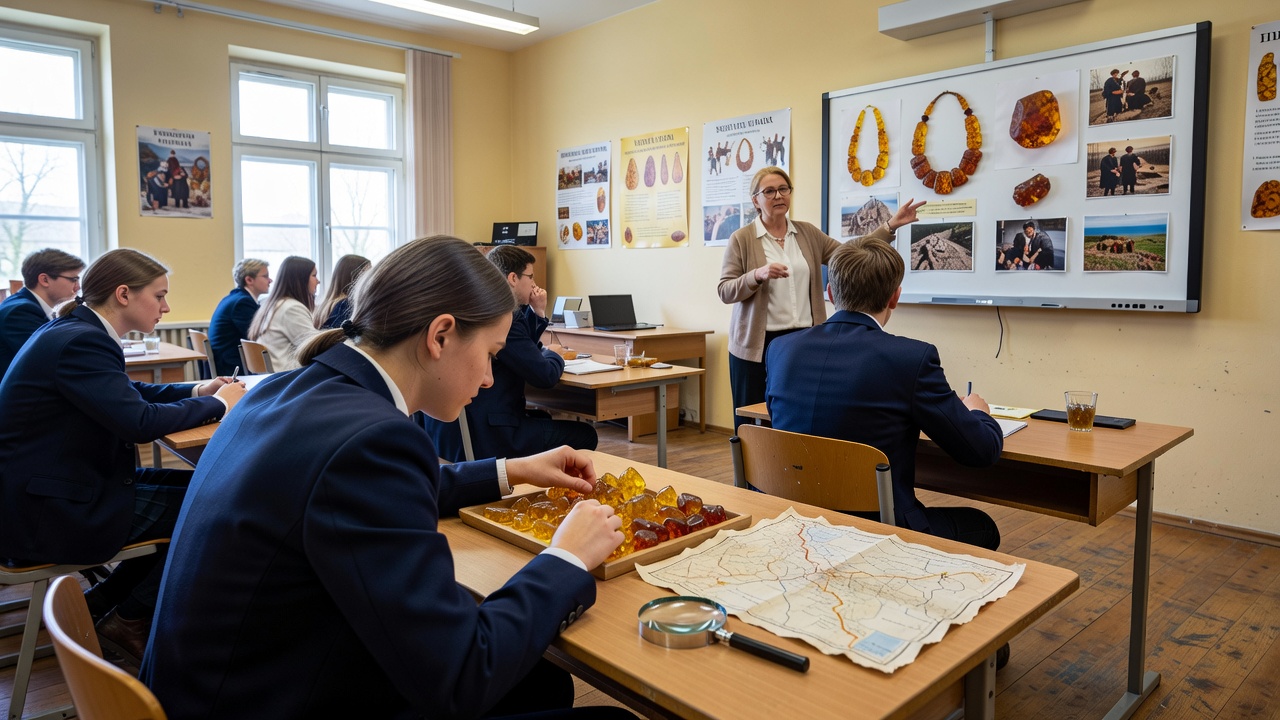
The amber trade route known as the Amber Road linked Baltic coastal areas with Mediterranean markets from the Bronze Age onward. Poland's extensive Baltic amber deposits positioned it as a central supplier, with artifacts discovered in burial sites and settlements indicating extensive exchange. Local tribes processed raw amber into beads, pendants, and tools that traveled south through established paths. Lessons now cover these routes, the role of amber in Roman-era commerce, and resulting cultural interactions. Students examine replica items and period maps to understand how trade influenced technology and social structures in early Polish lands. The modules also address later medieval amber guilds and their contributions to regional economies.
Implementation in Educational Programs
Education authorities collaborated with heritage groups to develop lesson plans, teacher training sessions, and classroom resources. Pilot classes in coastal and inland schools combine lectures with museum visits and basic crafting exercises. Emphasis is placed on factual timelines, archaeological findings, and links to contemporary amber use in jewelry and industry. Reports from participating educators note higher engagement levels and improved retention of historical details. Nationwide rollout continues with adjustments based on feedback, aiming for consistent coverage in all public schools within three years. The approach supports broader goals of cultural education without altering core subject requirements.