Erik Friedrich · 11 November 2026
Resin Trapped Specimens Inspire Cross-Curricular Projects Linking Biology and History in Eastern European Classrooms
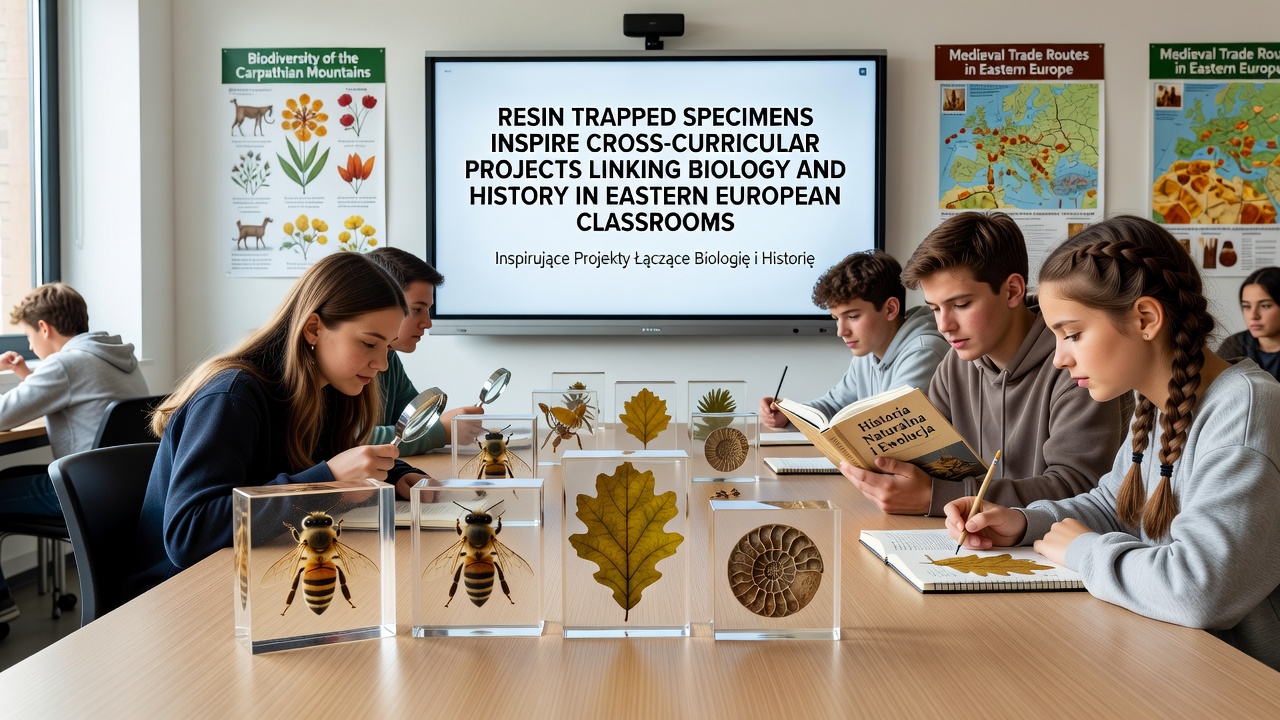
Eastern European educators have turned to resin-trapped specimens as tools for projects that combine biology with historical analysis, and these efforts appear across schools in Poland, Lithuania, and Hungary where fossilized resin serves as both scientific sample and cultural artifact. Resin preserves ancient organisms in detail, which allows students to examine biological structures while tracing trade routes and human interactions from past centuries.
Scientific Foundations of Resin Specimens
Resin forms when trees exude sap that hardens over time, and the process traps insects, plant material, and small vertebrates in layers that researchers date through stratigraphic methods and isotopic analysis. Data from multiple field studies indicate that Baltic region resins contain over 200 documented insect species, which provide direct evidence of prehistoric ecosystems. Teachers integrate these findings into lessons on evolution, where students compare preserved morphology to modern counterparts, and they connect the same specimens to timelines of regional commerce because amber moved along established exchange networks that linked Northern Europe with Mediterranean civilizations.
Cross-Curricular Project Structures
Project designs typically begin with biological examination using microscopes and digital imaging, after which classes shift to historical mapping of resin sources and trade paths. One program in Vilnius pairs tenth-grade biology groups with history cohorts to catalog specimen diversity, then reconstructs how ancient Baltic communities processed and distributed resin goods. Students use primary documents such as Roman accounts of amber routes alongside fossil data to build presentations that show both ecological change and economic development. Similar initiatives in Budapest incorporate resin samples from local collections to study medieval guild regulations on material handling.
Classroom Implementation Across Regions
Implementation varies by country yet follows shared patterns of resource sharing through regional teacher networks. Lithuanian schools report that resin-based modules run for six to eight weeks and incorporate guest sessions from university paleontologists who explain preservation chemistry. Hungarian educators add language components by requiring students to translate historical texts that mention resin products. Polish classrooms emphasize quantitative skills when students measure inclusion sizes and correlate those measurements with climate data from the same geological periods. These activities rely on physical specimens sourced from museum loans rather than commercial suppliers, which keeps projects aligned with educational standards for authenticity.
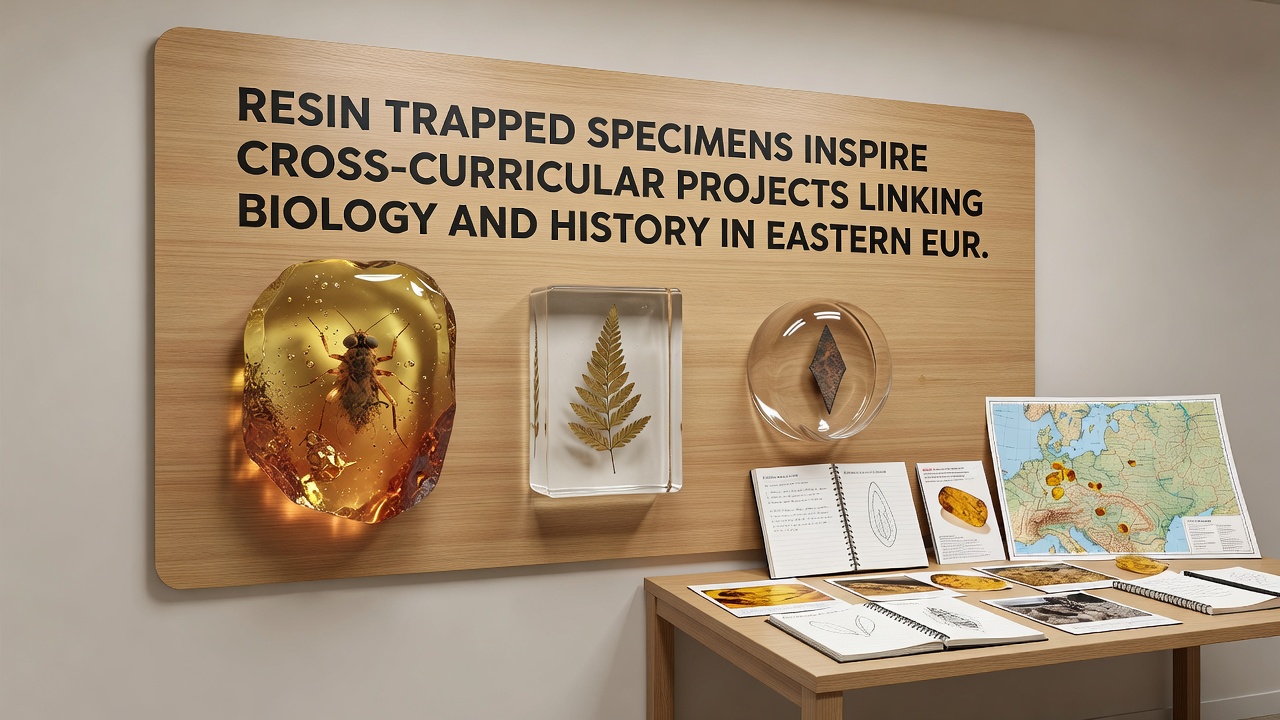
November 2026 marks the scheduled launch of a coordinated exhibition series where participating classrooms display student-created digital models of resin inclusions alongside mapped trade histories. Organizers coordinate through established education ministries, and preliminary schedules list sessions in Gdańsk, Riga, and Debrecen that invite community visitors to review project outcomes. Attendance figures from prior regional events suggest several thousand participants may engage with the displays.
Resource Integration and Assessment Methods
Assessment combines traditional tests on biological classification with portfolio reviews of historical research components. Educators evaluate student ability to link fossil evidence to documented events, such as shifts in resin demand during the Roman era or changes in extraction techniques during the early modern period. Materials often include open-access databases maintained by national geological surveys, which supply specimen photographs and metadata that supplement physical samples. Schools also draw on publications from academic consortia focused on paleobiology to ensure factual accuracy in student reports.
Training for teachers occurs through short workshops hosted by universities that emphasize safe handling protocols and accurate contextualization of specimens within both scientific and cultural frameworks. Participants receive updated curriculum guides that align with national education frameworks while allowing flexibility for local collections. Data collected from these workshops show consistent adoption rates across participating districts, with follow-up surveys indicating sustained use of the modules in subsequent academic years.
Conclusion
Resin-trapped specimens continue to serve as focal points for integrated learning that spans biology and history in Eastern European settings, and ongoing coordination efforts point toward expanded participation through 2026 and beyond. The approach relies on verifiable fossil records paired with documented historical sources, which provides students with concrete examples of how scientific evidence informs understanding of past societies. Schools maintain these projects through museum partnerships and shared digital resources that support consistent delivery across different national systems.